Overview
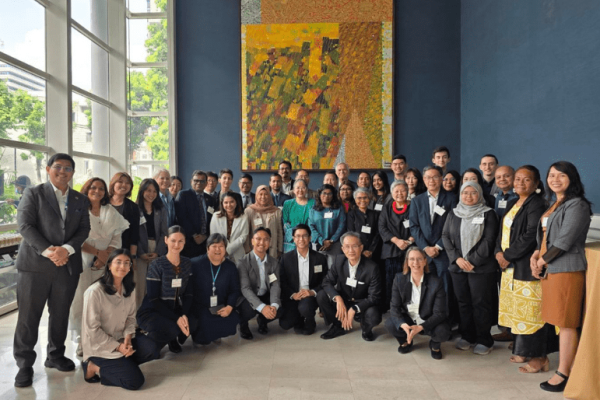
Between 2022 and 2024, ESCAP conducted a project on “Designing evidence-based policies on migration in North and Central Asia”. The target countries included Kazakhstan, Kyrgyzstan, Russian Federation, Tajikistan, and Uzbekistan. The subregion hosts significant migration corridors, with men and women migrating to work in the Russian Federation as well as Kazakhstan. The project focused on improving data and information on migration and the characteristics of migrants in North and Central Asia and explored possibilities for regional cooperation.
Three expert group meetings cum capacity-building workshops were conducted under this project:

Workshops

Expert Group Meeting and Capacity-building Workshop: Strengthening national capacities for evidence-based policymaking to implement the Global Compact for Safe, Orderly and Regular Migration in North and Central Asia
18 to 19 Apr 2023
The meeting reviewed international migration trends in North and Central Asia, provided an overview of availability of data on international migration in the subregion and assessed capacities with regards to methodologies of migration data collection, data administration supported subregional dialogues on migration data.

Expert Group Meeting and Capacity-building Workshop: Strengthening the evidence base on migration in North and Central Asia: data, gender impacts, and remittances
04 to 05 Jun 2024
The meeting provided capacity-building on migration data collection, facilitated policy dialogues on migration in North and Central Asia among Governments and other migration experts and discussed research papers on migration in North and Central Asia.

Expert Group Meeting and Capacity-building Workshop: Strengthening the evidence base on migration in North and Central Asia
03 to 04 Dec 2024
The meeting disseminated findings of research papers prepared as part of the project and provided an update on recent migration trends and policies in the subregion. It further facilitated policy dialogues on migration in North and Central Asia among Governments and migration experts in connection with the forthcoming Second Asia-Pacific Regional Review of Implementation of the Global Compact for Migration.
Publications

New Migration Trends in Central Asia and the Russian Federation
30 June 2025
Paper available in English and Russian
Migration is a crucial factor in economies and societies in North and Central Asia. In 2024, over 6.3 million people born in Kazakhstan, Kyrgyzstan, Tajikistan, Turkmenistan and Uzbekistan were living in countries other than their countries of their birth.

Women migrant workers from Central Asia to the Russian Federation : trends, challenges and prospects
30 June 2025
Paper available in English and Russian
The Russian Federation remains a key destination of migrants. In 2024, the Russian Federation hosted 7.6 foreign born people, among them 3.8 million women and 3.7 million men.

Integration of migrants from Central Asia to the Russian Federation
23 June 2025
Paper available in English and Russian
This policy brief is based on an unpublished working paper on “Integration of migrants from Central Asia in the Russian Federation”, commissioned by ESCAP. The working paper utilized survey data from five studies conducted by the author (2015, 2016, 2017, 2020, and 2023), each with similar but not identical methodologies and different research focuses.

Remittances in Asia and the Pacific - a focus on North and Central Asia
30 December 2024
This paper examines different remittance corridors: lower-cost transfers originating from the Russian Federation to Central Asian countries and Malaysia to Indonesia, as well as higher-cost ones originating from Thailand to neighbouring countries and Australia to Pacific island countries.
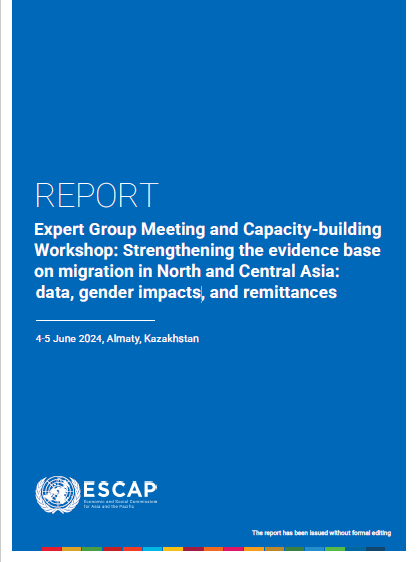
Report of Expert Group Meeting and Capacity-building Workshop: Strengthening the evidence base on migration in North and Central Asia: data, gender impacts and remittances
1 September 2024
Videos
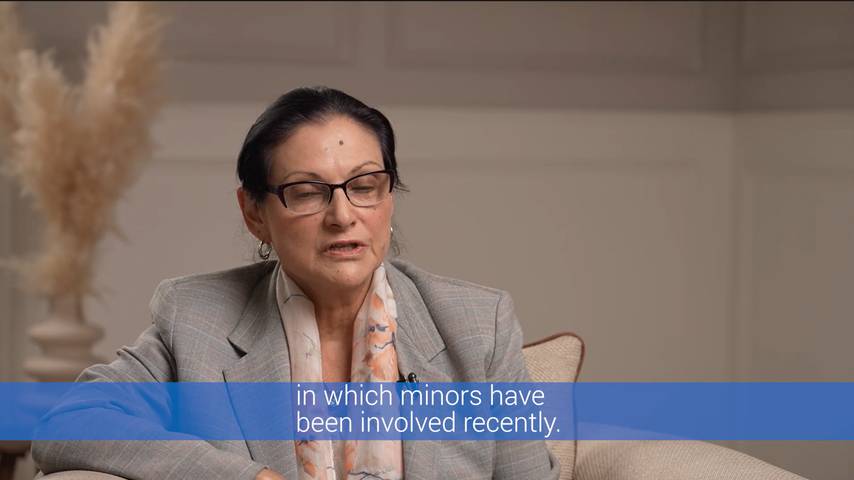

Migration data in North and Central Asia - issue, impacts and solutions
Blogs and Op-eds

Building a future-ready society so people can live long and age well

Strengthening social health protection for health coverage for all ages

Adding Life to Years – Demographic Change in Asia and the Pacific
Latest News

ESCAP launches survey to member States for the Fifth Asia-Pacific Review and Appraisal of the Madrid International Plan of Action on Ageing

ESCAP supported the Government of Maldives in the launch of a new policy on ageing