
The Asia-Pacific region is undergoing rapid and significant demographic changes
Due to significant and rapid declines in fertility, accompanied by declines in mortality and increases in life expectancy, population age structures in Asia and the Pacific have been changing, presenting opportunities and challenges for countries in the region.
This website provides a platform for up-to-date demographic data and information and relates this to other social and economic trends in Asia and the Pacific. Users can find links to research papers, meetings and databases.

Mandates
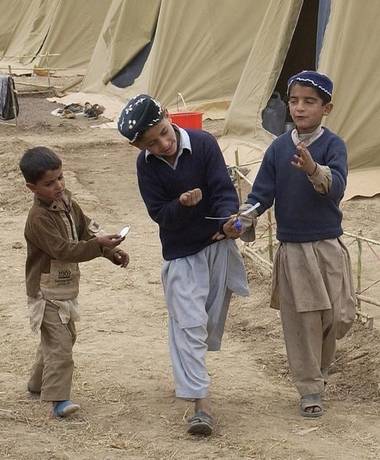
Regional and global mandates request ESCAP to (a) conduct regional intergovernmetnal reviews of guiding documents on population and development, ageing, international migration and social development (b) build capacity of member States and stakeholders, and (c) develop knowledge products.
The 2030 Agenda for Sustainable Development provides the overarching mandate. It is a plan of action for people, planet and prosperity. People are at the centre of the Agenda, both as development actors and beneficiaries. The Agenda also calls for the empowerment of people who are in vulnerable situations.
Demographic trends are shaping sustainable development now and in the future. Specific frameworks on population and development (ICPD Programme of Action), ageing (MIPAA), migration (GCM), youth (Pact for the Future and World Programme of Action for Youth) and social development (Copenhagen Declaration) complement the 2030 Agenda. They give regional commissions specific mandates to work on these issues, in line with the 2030 Agenda.
What we offer
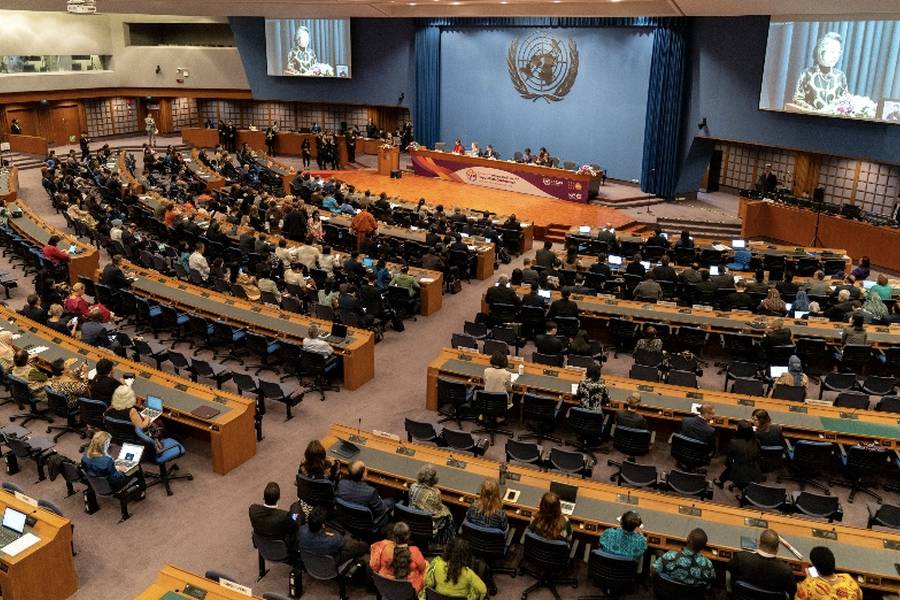
Convening power
ESCAP provides the most inclusive intergovernmental platform in Asia and the Pacific to conduct regular regional reviews on population and development, population ageing and international migration which inform global reviews. ESCAP works closely with other UN partners in this regard.
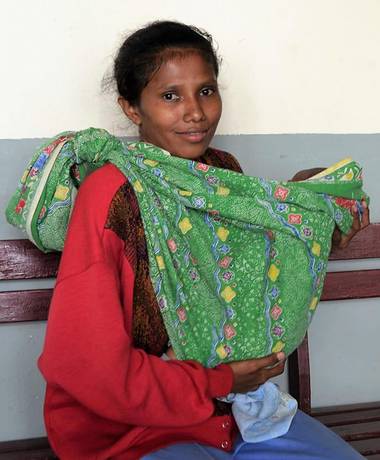
Regional cooperation
ESCAP supports exchange of experiences and regional cooperation between member States and stakeholders in Asia and the Pacific. ESCAP is also a member of the Executive Committees of the United Nations Network on Migration, both at the global and regional levels and chairs the Asia-Pacific Regional Network of Focal Points on Ageing, a networking group of the Asia-Pacific Regional Collaborative Platform.

Knowledge
ESCAP conducts research on population trends and their impact on sustainable and inclusive development. It provides data and research on the intersection of population and development to inform evidence-based policymaking.

Capacity-building
ESCAP supports member States, in partnership with stakeholders, in building capacities. For example, it supports the design of evidence-based policies and collects and analyzes data to respond to population trends and their effects on economic and social development.
Blogs and Op-eds

Building a future-ready society so people can live long and age well

Strengthening social health protection for health coverage for all ages