
Policy-oriented research on population trends
ESCAP publishes reports, working papers, policy briefs and other material analyzing population trends and their policy implications in the Asia-Pacific region. The publications will guide policymakers and all stakeholders.

Latest Publication
Leaving No One Behind: Advancing a Society for All Ages in Asia and the Pacific
This report examines the demographic drivers reshaping the region, analyses the implications for labour markets and the future of work, and highlights the transformative potential of healthy and active ageing. It documents the substantial economic contributions of older persons — through labour, entrepreneurship, unpaid care and social capital — and makes the case for urgently realigning employment systems, social protection and health policies with demographic realities. The report also explores pathways to women’s economic empowerment, recognizing that gender inequality compounds the vulnerabilities of ageing across the life course.
Publications

Leaving no one behind: Advancing a society for all ages in Asia and the Pacific
Demographic change is a defining 21st-century megatrend and a key gauge of human progress. The transition from high fertility and mortality to longer lives and smaller families has been particularly rapid in Asia and the Pacific. Although aggregate regional figures mask variation at national and subnational levels, the overall trend is clear: population growth is slowing and age structures are shifting towards a larger and growing share of older persons.
This report examines the demographic drivers reshaping the region, analyses the implications for labour markets and the future of work, and highlights the transformative potential of healthy and active ageing. It documents the substantial economic contributions of older persons — through labour, entrepreneurship, unpaid care and social capital — and makes the case for urgently realigning employment systems, social protection and health policies with demographic realities. The report also explores pathways to women’s economic empowerment, recognizing that gender inequality compounds the vulnerabilities of ageing across the life course.
This report underscores that demographic change is not a challenge to be feared, but a human success story to be embraced. With the right evidence-based and forward-looking policies, sustainable investments and regional cooperation, Asia and the Pacific can harness the opportunities of its rapid demographic change, including its ageing population, strengthen intergenerational solidarity and advance a society for all ages — leaving no one behind.
Strengthening migration governance in North and Central Asia
This policy brief identifies five priority areas where coordinated action by governments of North and Central Asian member States and other relevant stakeholders would be beneficial. Those priority areas are data gaps, gender dimensions, migrant integration, remittances, and regional cooperation.
Strengthening health systems for long-term care in Asia and the Pacific: a policy analysis
Rapid population ageing in the Asia-Pacific region has made long-term care (LTC) a critical healthcare priority, yet in-depth regional analysis of LTC challenges and opportunities remains limited. This paper focuses on LTC system strengthening, examining seven target countries from an ESCAP project the paper relates to (Bangladesh, Cambodia, Maldives, Malaysia, the Philippines, Sri Lanka and Thailand) and draws lessons from China, Japan and the Republic of Korea. It identifies LTC policies and practices, offering evidence-based recommendations through desk research, literature reviews, policy analyses and data from ESCAP, ILO, WHO and World Bank surveys and databases.

ESCAP population data sheet 2025
The Population Data Sheet, published annually by ESCAP, features a range of key indicators on population and development. The focus is on population size, structure and growth rates, as well as fertility, mortality and migration, at country, subregional and regional levels. The Data Sheet is a useful reference tool for researchers, policymakers and other stakeholders. The 2025 Population Data Sheet focuses on overall population and development indicators, providing updated insights for the year.
Population Ageing in the Asia-Pacific Region and its Economic and Intergenerational Consequences
Asia and the Pacific is a region of very significant geographic, social, economic and demographic
diversity. Some countries have large and growing youthful populations, and, with investments in
education and health, can still benefit from the demographic dividend of the demographic
transition. Many other countries have already been affected by significant and rapid population
ageing. Moreover, even the “oldest” countries will experience substantial further ageing in the
coming decades, while all countries will eventually reach a point in which population ageing is likely
to pose large socioeconomic costs. These need to be better understood in order to mitigate
impacts and even gain benefits from having larger proportions of older populations.
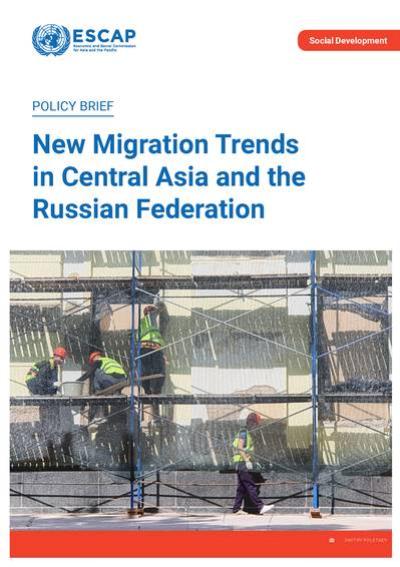
New Migration Trends in Central Asia and the Russian Federation
Migration is a crucial factor in economies and societies in North and Central Asia. In 2024, over 6.3 million people born in Kazakhstan, Kyrgyzstan, Tajikistan, Turkmenistan and Uzbekistan were living in countries other than their countries of their birth.
Events
South-East Asia - Stakeholder Consultation for the Asia-Pacific Fifth MIPAA Review and Appraisal
Check in Meeting with Focal Points on Ageing (South and South West Asia and North and Central Asia)
Check in Meeting with Focal Points on Ageing (East and North East Asia, Pacific and South East Asia)
Blogs and Op-eds

Growing older, staying connected in the digital age

Building a future-ready society so people can live long and age well